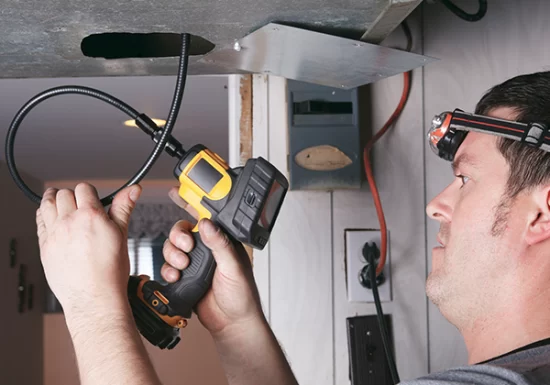
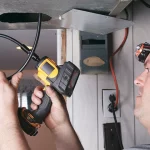
Air Quality Testing is a vital service for assessing the safety and cleanliness of indoor and outdoor environments. It involves measuring pollutants, particulate matter, and harmful gases present in the air to ensure compliance with health and safety regulations. Regular testing helps identify potential hazards and maintain a healthy atmosphere for occupants in residential, commercial, and industrial settings.
Poor air quality can lead to serious health issues, including respiratory problems, allergies, and long-term chronic illnesses. By conducting Air Quality Testing, organizations can proactively monitor air conditions, reduce health risks, and ensure a safe working and living environment. It also supports compliance with local environmental standards and occupational health regulations.
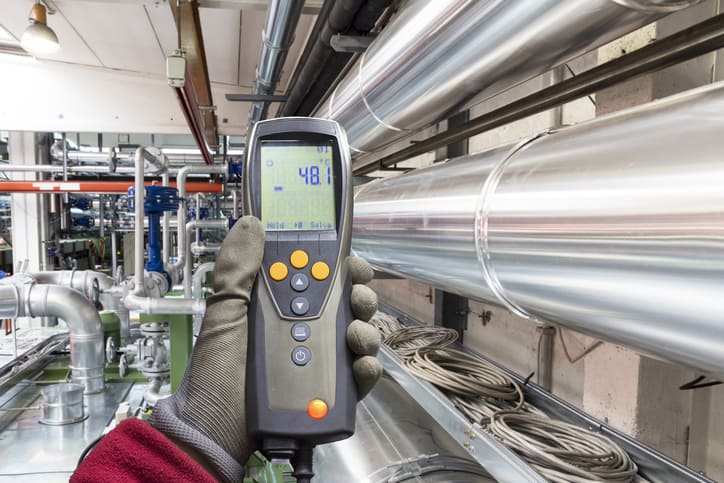
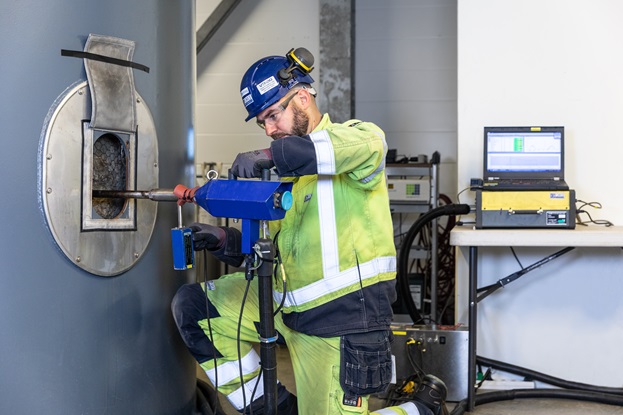
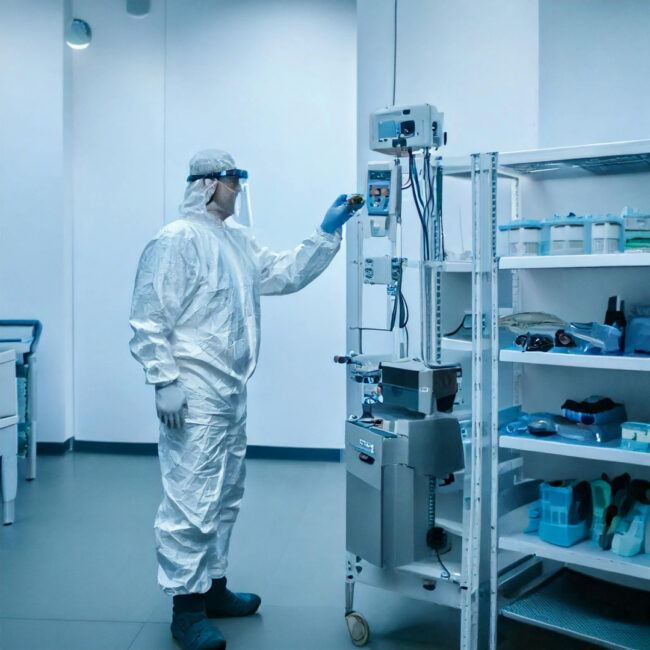
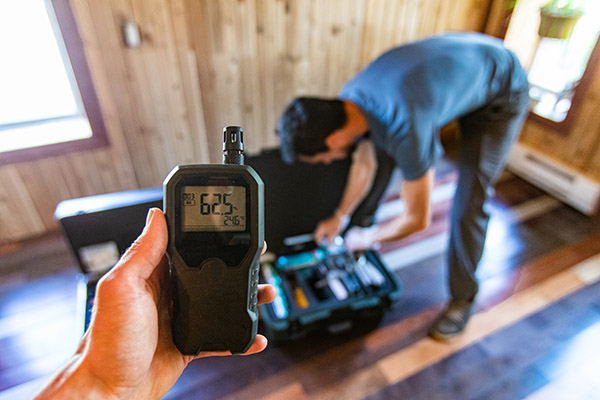
The testing process typically includes sample collection, analysis, and reporting. Specialized instruments measure levels of pollutants such as particulate matter (PM2.5, PM10), carbon monoxide, volatile organic compounds (VOCs), and other harmful gases. Detailed reports provide actionable insights, allowing corrective measures to improve air quality and ensure a safe environment for all occupants.