A building’s envelope its walls, windows, doors, roof, and foundation is the first line of defense against outside elements. When that envelope isn’t properly sealed, air and moisture infiltration can lead to energy loss, structural damage, and compromised indoor comfort.
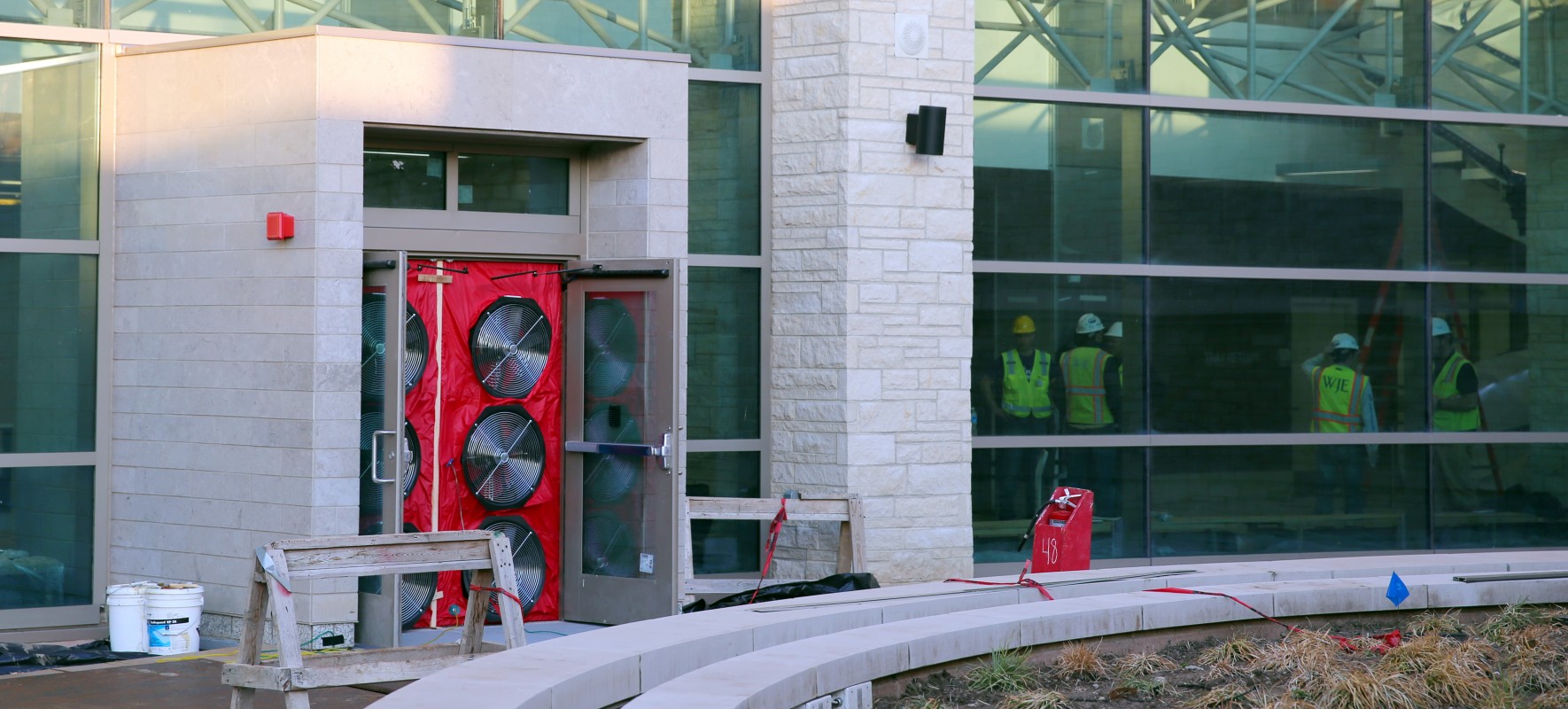
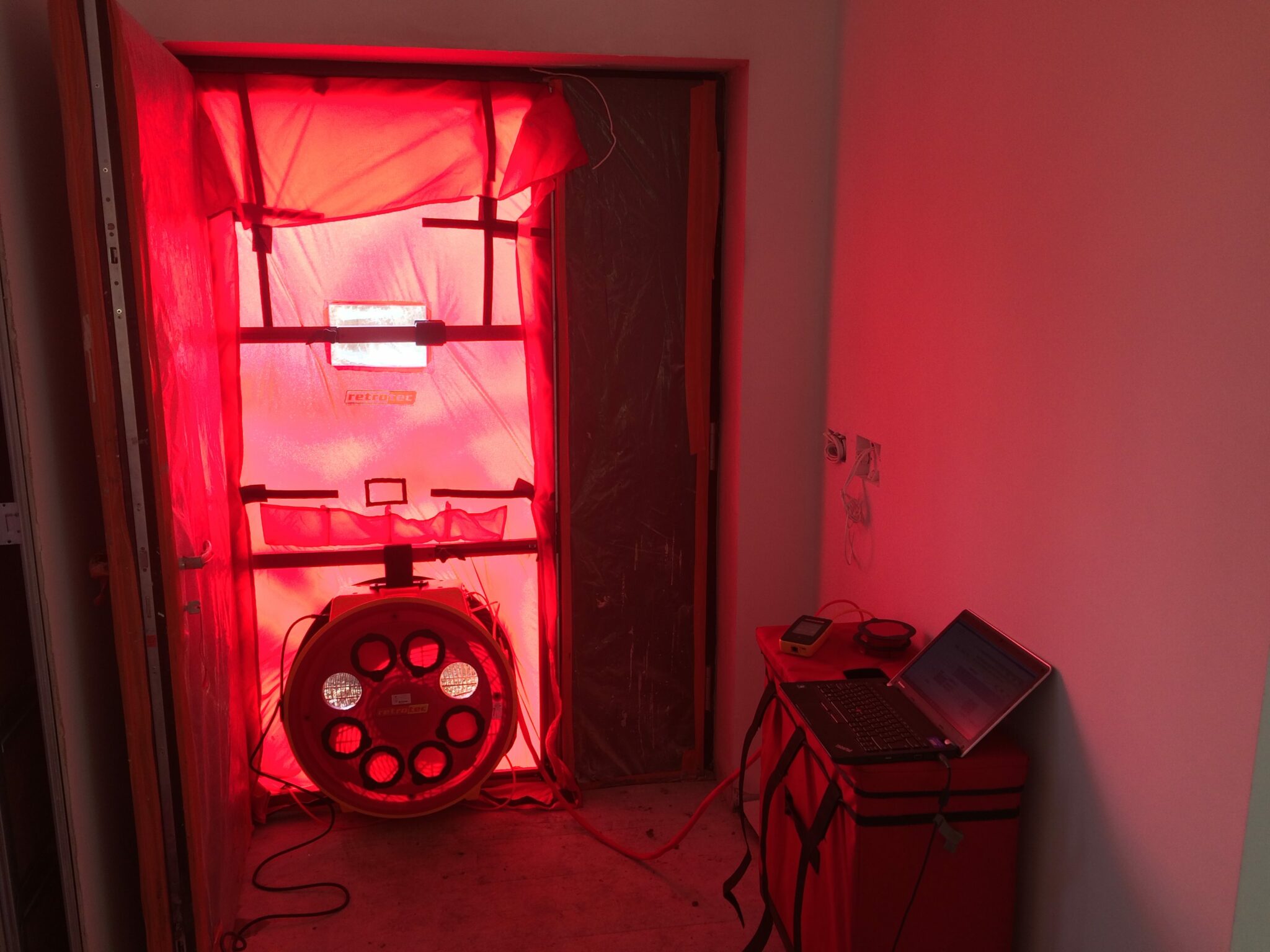
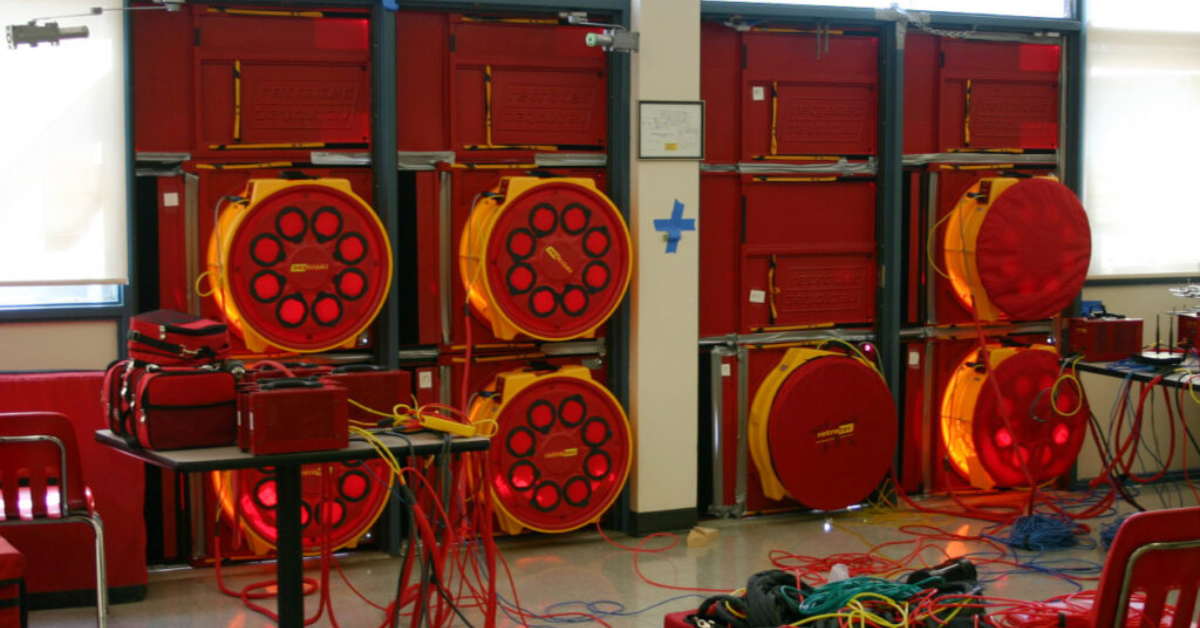
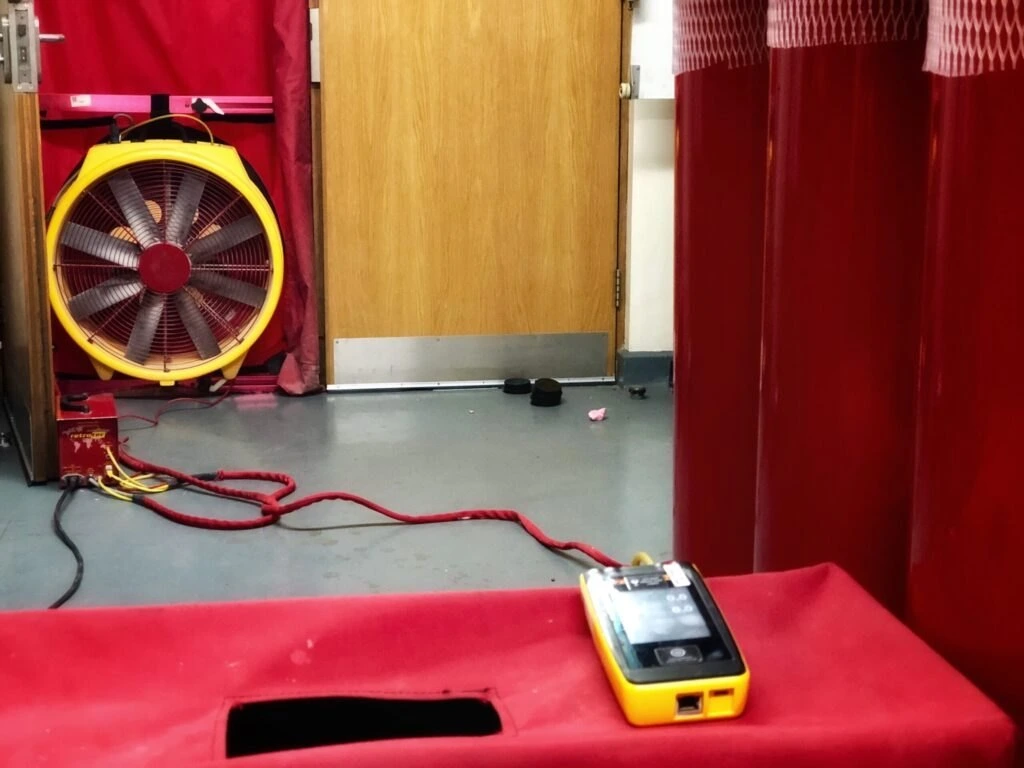
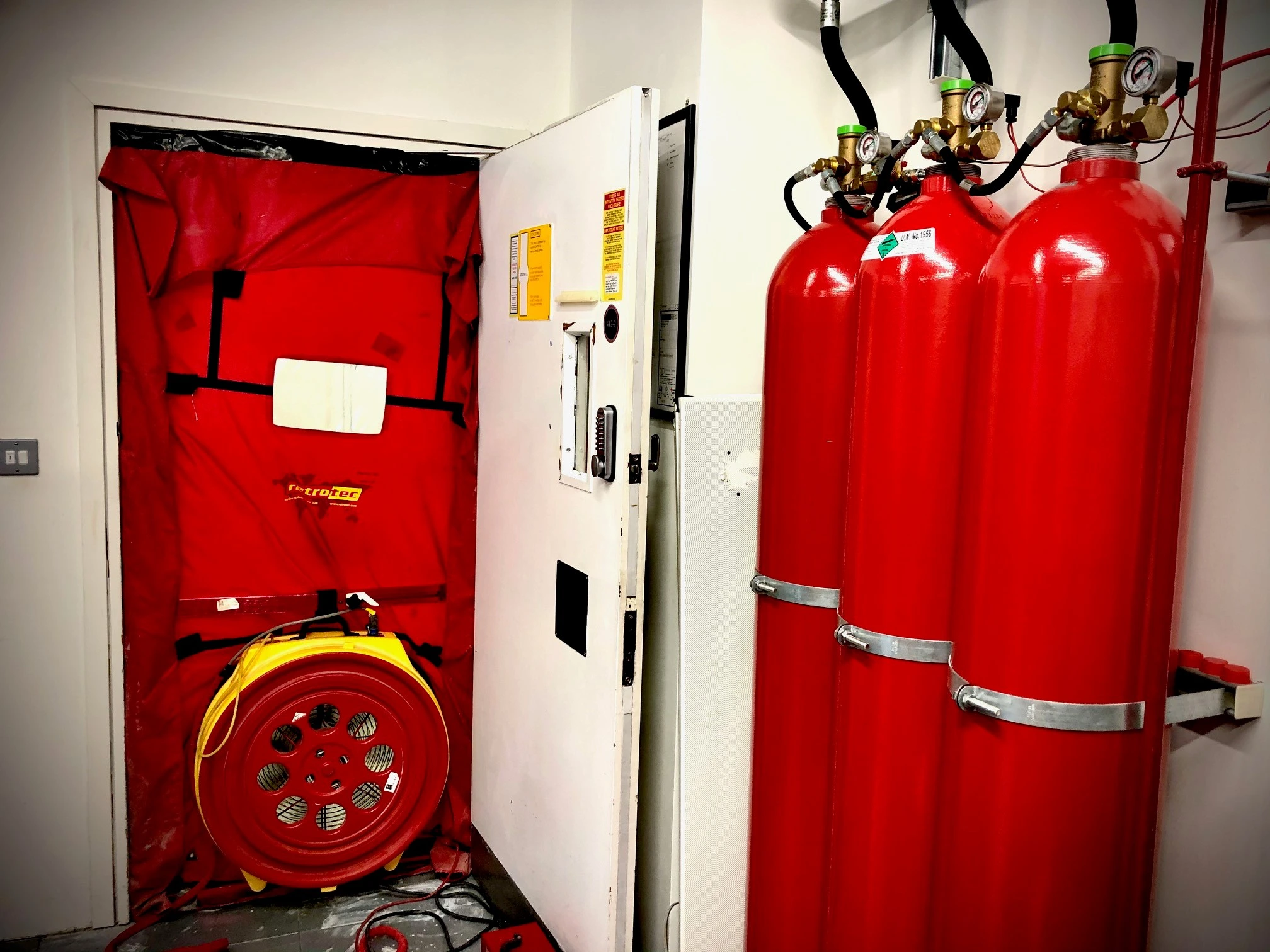
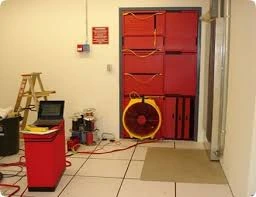
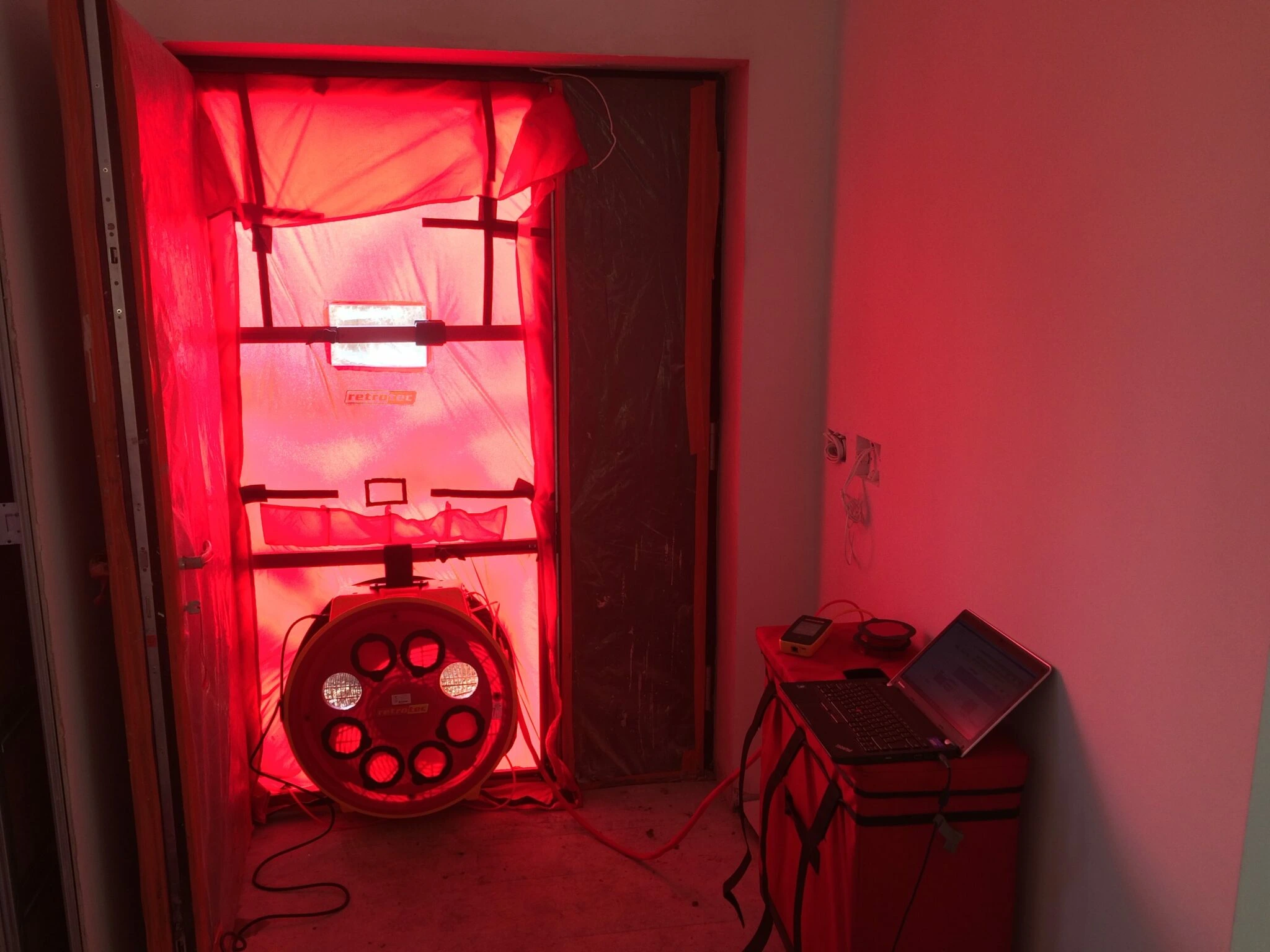
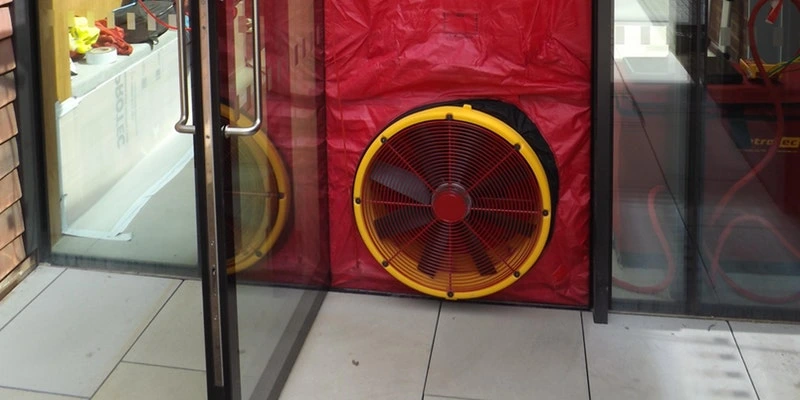
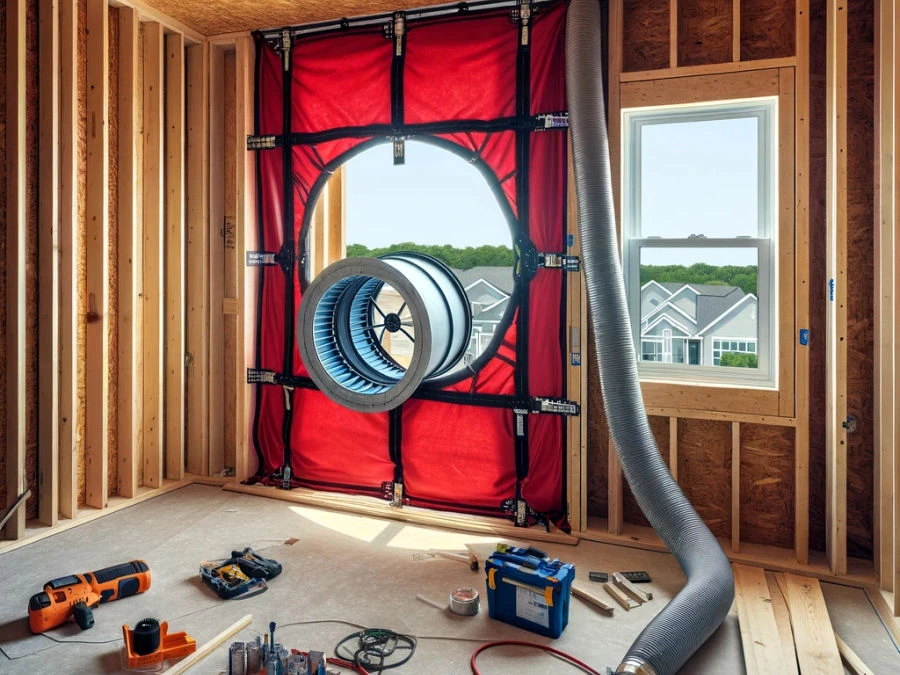
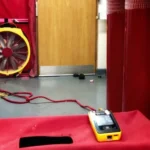
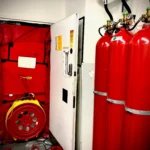
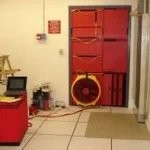
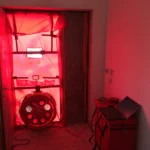
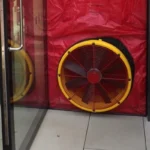
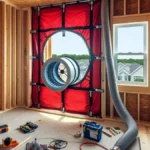
Building Envelope Leakage Testing is a specialized process designed to evaluate how well a structure resists unwanted air leakage. By identifying weak points in the building shell, this test helps property owners and contractors ensure compliance with energy codes, improve HVAC efficiency, and maintain a healthier indoor environment. The testing process involves creating pressure differences inside the building using advanced equipment such as blower doors and calibrated fans.
This simulates real-life conditions and allows experts to detect leaks with precision. For new constructions, this service validates proper installation of materials and sealing methods. For existing properties, it provides critical insights into hidden problems that may not be visible to the eye but can cause long-term damage. Whether you manage a commercial facility, a residential complex, or an industrial site, ensuring a tight building envelope is essential for sustainability, occupant comfort, and operational cost savings.
Regular Building Envelope Leakage Testing also plays a key role in reducing utility costs and improving long-term building performance. Excessive air leakage forces HVAC systems to work harder, increasing energy consumption and wear on mechanical components. By sealing identified gaps and penetrations, property owners can enhance thermal control, extend equipment lifespan, and achieve measurable energy savings throughout the year.
A well-sealed building envelope minimizes carbon emissions, improves indoor air quality, and protects insulation from moisture-related deterioration. Investing in professional building envelope testing is a proactive step toward code compliance, environmental responsibility, and improved asset value.