Volatile Organic Compounds are hazardous to your health. If you are worried about VOC or formaldehyde call us today for a free phone consultation on a solution for your property.
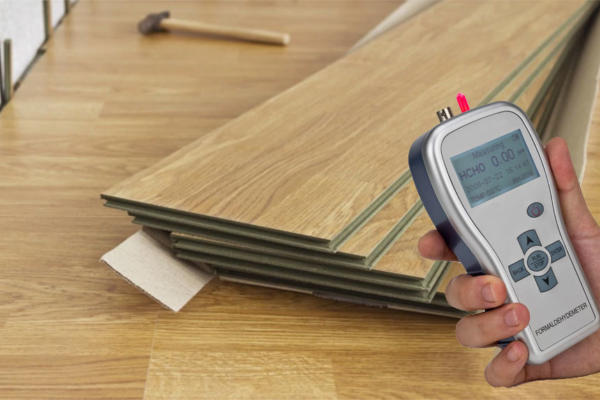
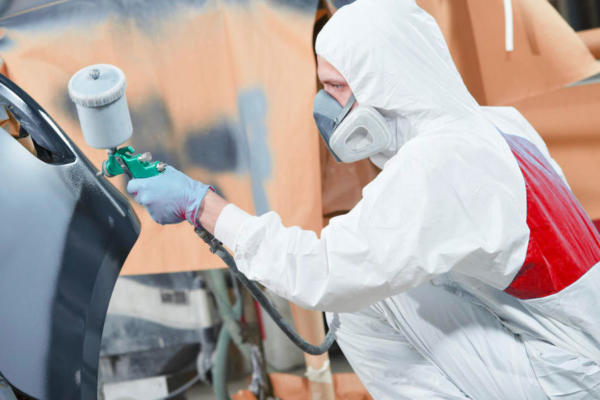
The primary step to removing VOC’s is to remove the source. Common places to find Voc’s include old chemicals, paints, solvents and varnishes. Also look at furniture and carpet. Composite wood is also another offender.
Some steps to reduce the levels include:
Prevent Exposure: Your office can contain building materials and furnishings which are emitting VOC’s. Office equipment such as copiers and printers, copy paper, craft and graphics materials as well as adhesives and human activities such as cooking and smoking can also emit VOC’s.
Increase Ventilation: Formulate a plan for natural ventilation, if this is not possible consider installing a Hepa air scrubber or integrate Hepa filtration into your HVAC system. Use of charcoal filters is essential to remove odours and gases from the air. HVAC systems should be maintained and cleaned as well, as this can be contributing to lack of air exchange in the property.
Correct Storage of Unused Chemicals: These should be kept in a garage or shed. Also dispose unused chemicals stored in your home or property.
Climate Control: Relative humidity and temperatures should be as low as comfortable because chemical have potential to off gas more in higher humidity and temperatures.